
Electrolysis Hair Removal
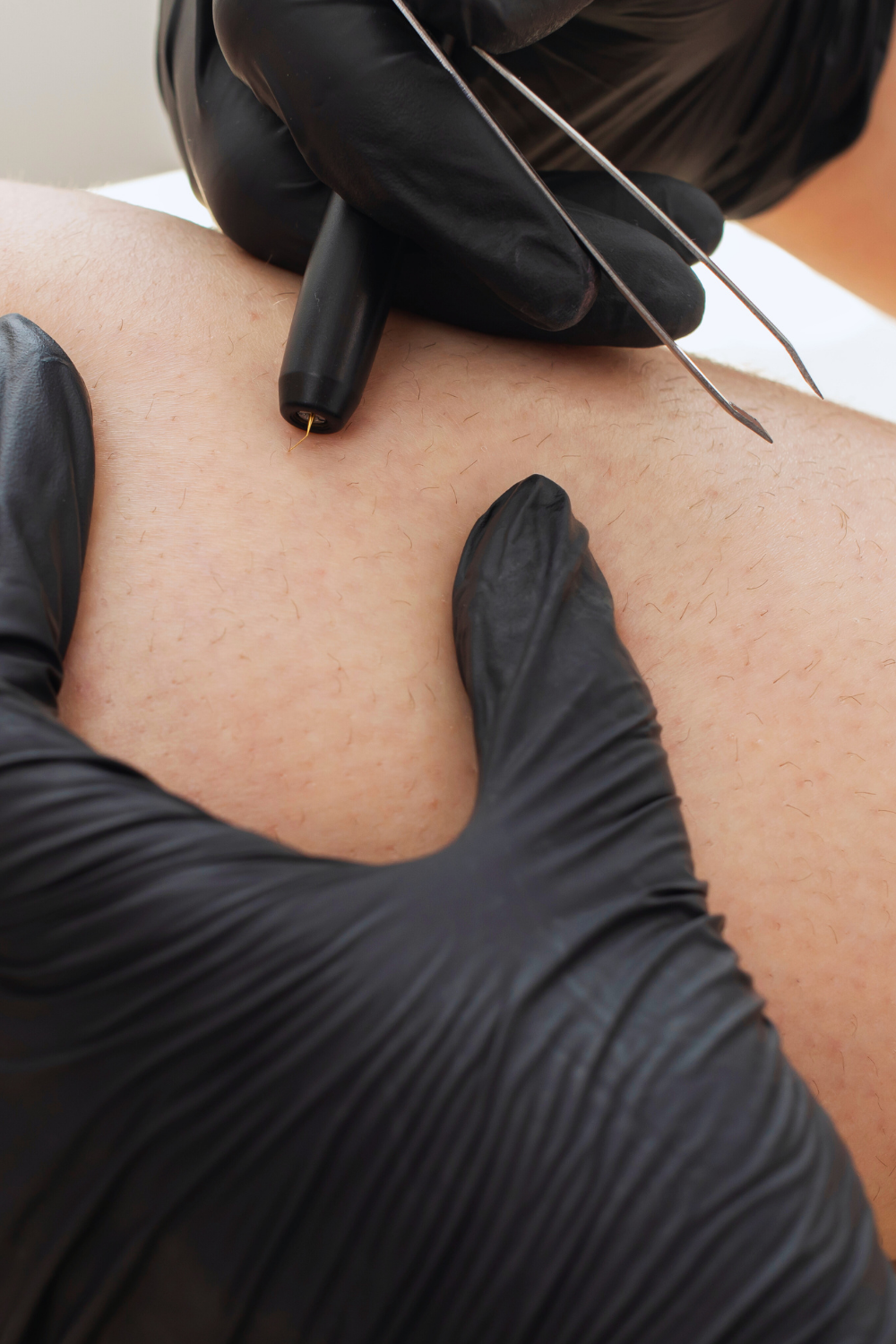
Electrolysis for being used hair removal is the oldest and is still the only permanent hair removal method, first developed in 1875. More than 150 years later, it remains the only FDA-approved treatment for permanent hair removal. Supported by strong clinical evidence and a long history of safe, effective results.
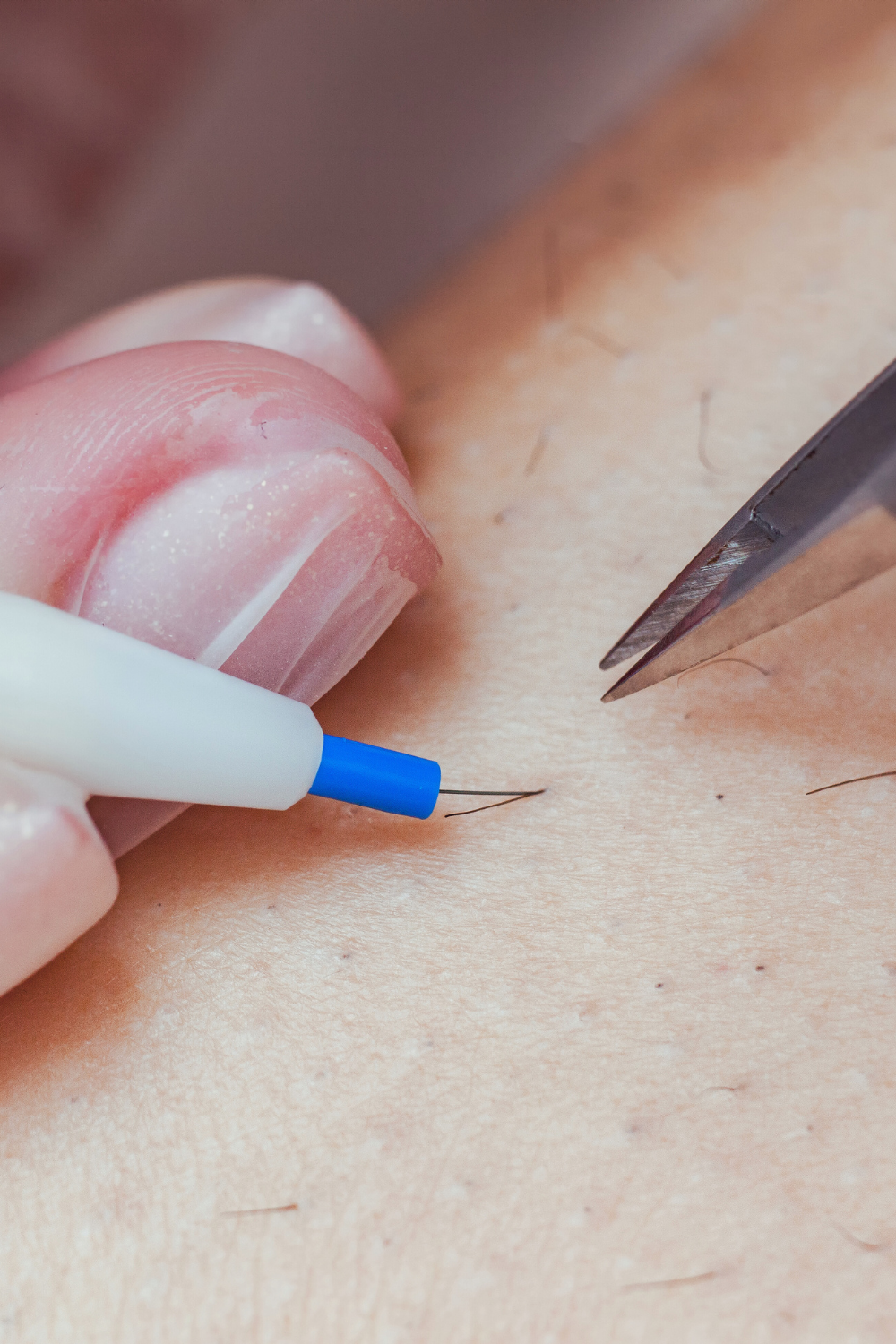
Each hair grows from a follicle that contains specific cells responsible for producing new hair. To permanently stop growth, these cells must be destroyed. To do so, a sterile, ultra-fine probe is inserted into the natural opening of the follicle (never piercing or cutting the skin). A controlled amount of energy is delivered directly to the follicle. Depending on the modality (galvanic, thermolysis, or blend), it's a direct current, a short-wave alternating current, or a mix of both.
This energy destroys the dermal papilla and matrix cells, the structures responsible for hair growth. Once those structures are destroyed during the hair’s anagen (active growth) phase, that follicle can never produce hair again.
A Little Science
What Type of Electrolysis Do We Do?
Electrolysis is an umbrella term, and there are actually 3 different types: thermolysis, galvanic, and blend. Here at Body Solutions, we do thermolysis and blend.
By focusing on these two techniques, we can customize your treatment to perfectly match your hair type, skin sensitivity, and goals. Here is a quick look at how they work:
1. Thermolysis:
How it works: This method uses a tiny, rapid microscopic pulse of alternating current (heat energy) to target the hair root.
The Benefit: It is incredibly fast and highly efficient. Because each hair takes only a fraction of a second to treat, thermolysis is excellent for clearing larger areas of hair quickly.
2. Galvanic
How it works: This method uses a direct electrical current. When this current is applied, it reacts with the natural moisture at the base of the hair root to create a chemical reaction (a tiny amount of lye) that neutralizes the hair-producing cells.
The Benefit: Because it uses a chemical reaction rather than just heat, it flows perfectly into every nook and cranny around the follicle. It is incredibly thorough and works on even the most distorted or twisted hair roots.
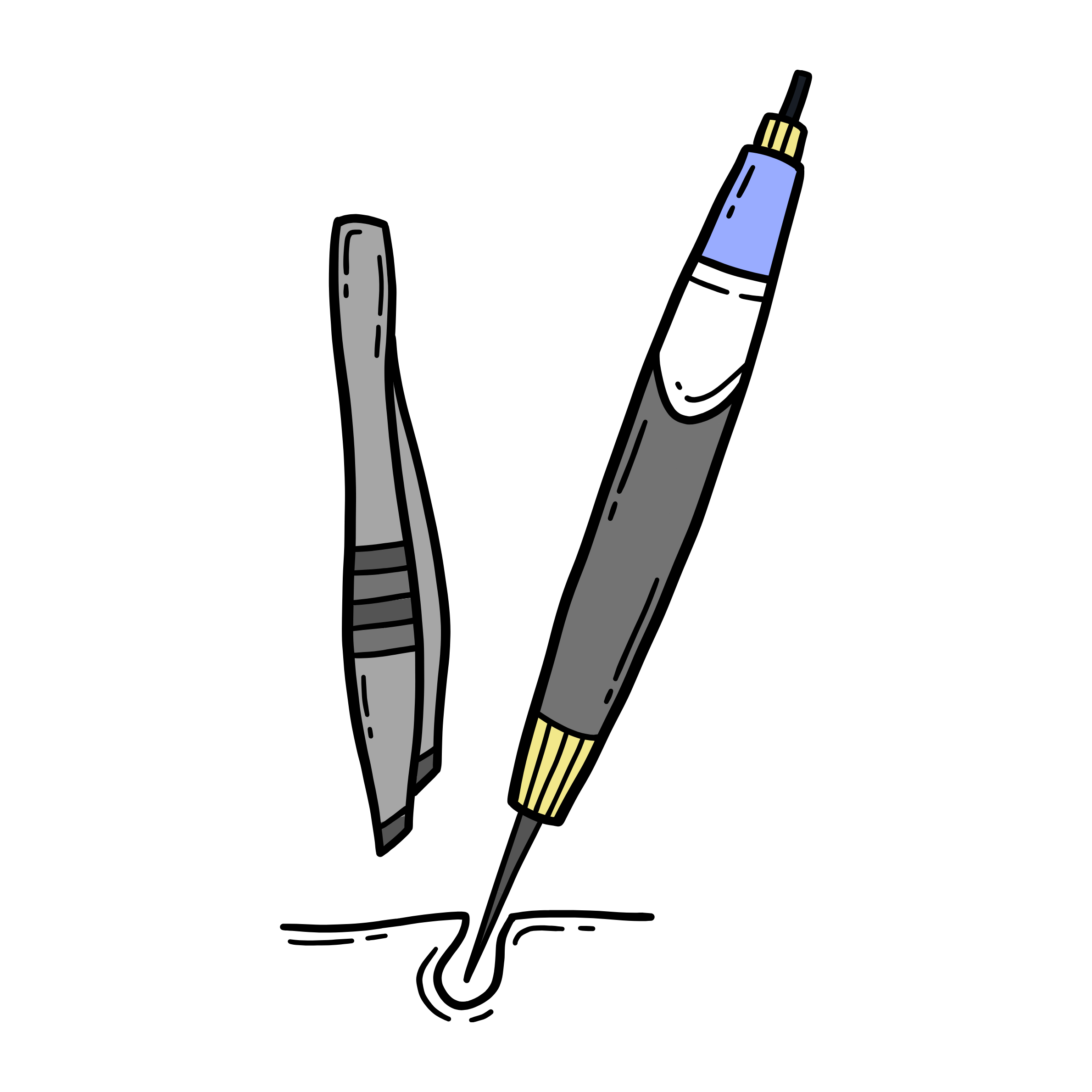
3. The Blend Method
How it works: Just like the name sounds, this blends two types of currents together. It combines the heat of thermolysis with a mild chemical reaction from galvanic current.
The Benefit: The chemical reaction creates a highly effective treatment directly inside the hair follicle, while the heat speeds it up. The Blend is the best option for stubborn, coarse, or deeply curved hair roots, making sure they are permanently destroyed.
So, why don’t we use galvanic? This type of electrolysis, while effective, it is incredibly slow (taking up to a minute per hair). By using Thermolysis and Blend, we give you the best balance of speed, comfort, and permanent results.
Results
Electrolysis is a process, not a one-and-done treatment. You’ll see progress over time; treated hairs become softer, finer, and weaker. Density will decrease, and the hair eventually stops returning as each follicle is fully destroyed
Every person is different, but most people complete their electrolysis journey within 18–24 months, depending on:
How much hair is present
Hormonal factors
Genetics
Previous hair removal methods
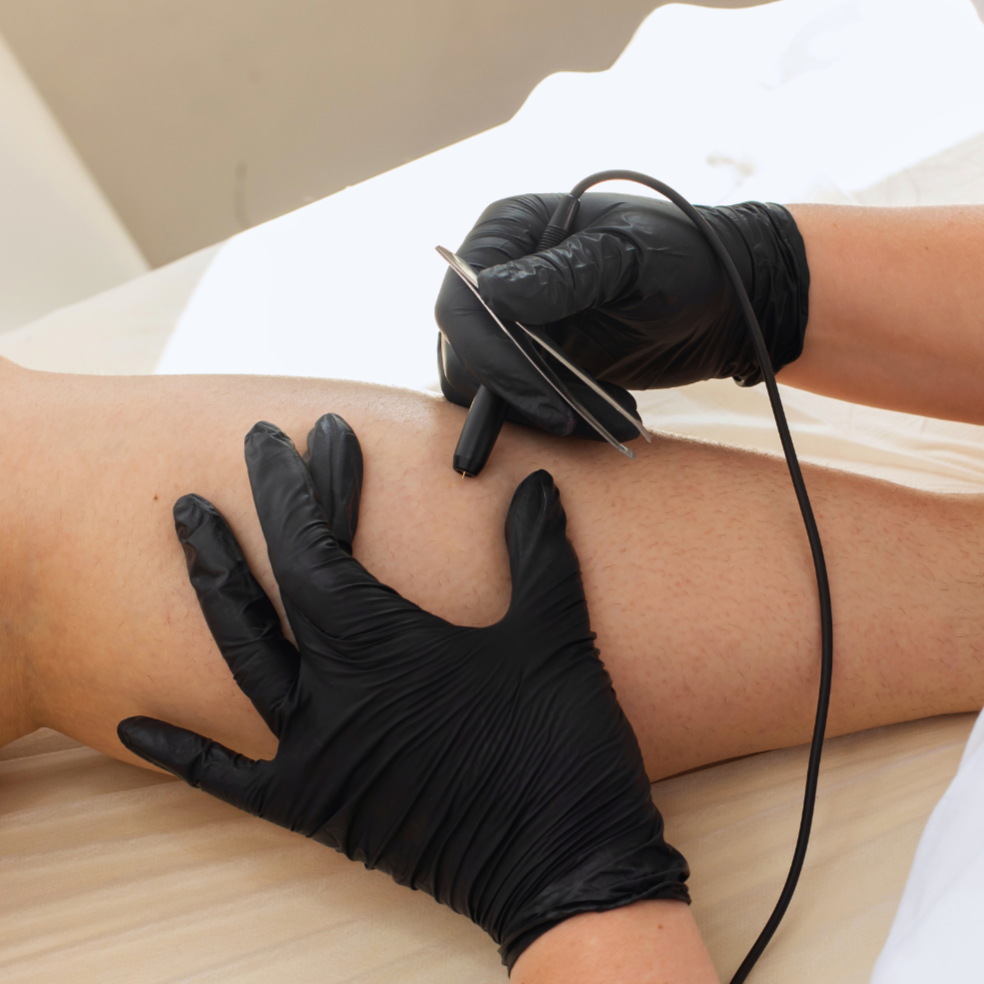
Who Is Electrolysis Hair Removal For?
Anyone looking for permanent hair removal
All skin tones and hair colors, including blonde, red, gray, or white hair
Small or detailed areas such as the chin, upper lip, jawline, brows, or nipples
Stray or resistant hairs that didn’t respond to laser hair removal
Hormonal hair growth, including PCOS- or menopause-related changes
Clients who want precise, long-term results
Anyone seeking the only FDA-approved method of permanent hair removal
Individuals dealing with paradoxical hair growth from laser treatments
Who Is Electrolysis Hair Removal Not Ideal For?
Clients wanting to treat large areas like the legs, back, or chest
Those looking for the fastest way to reduce hair over broad areas
Anyone unable to commit to multiple treatment sessions over time
Those seeking a temporary or short-term hair removal solution
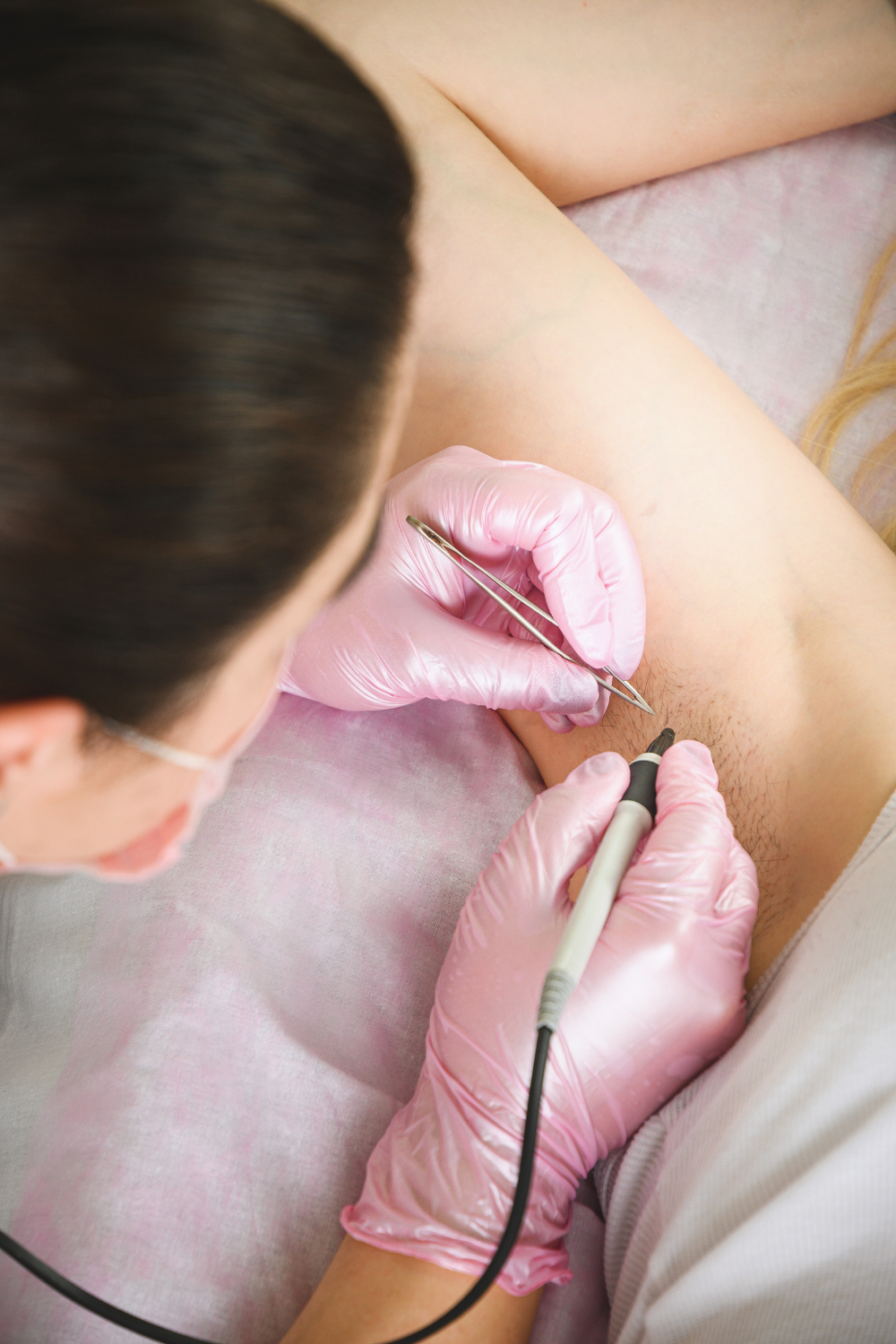
electrolysis hair removal
electrolysis hair removal
electrolysis hair removal
Electrolysis Hair Removal vs Laser Hair Removal
Laser reduces hair, electrolysis removes it permanently
Electrolysis can treat all hair, including white, blonde, grey, or red hair
Electrolysis works on hormonally influenced areas
Laser is great for large surface areas
Both are safe for every skin tone
Electrolysis is safe for sensitive skin
If we can see your hair, we can treat the hair with electrolysis.
Treatment Schedule
Because hair grows in cycles, consistent treatment matters. Most clients’ schedule:
Weekly or biweekly sessions in the beginning
Gradually spreading appointments out as hair thins
Occasional maintenance until the area is completely hair-free
Each person’s plan is customized to ensure every hair is treated during its active growth phase. We offer electrolysis appointments in time-based increments, booked in 5-minute blocks. All sessions are purchased individually, so you only pay for the treatment time you need.
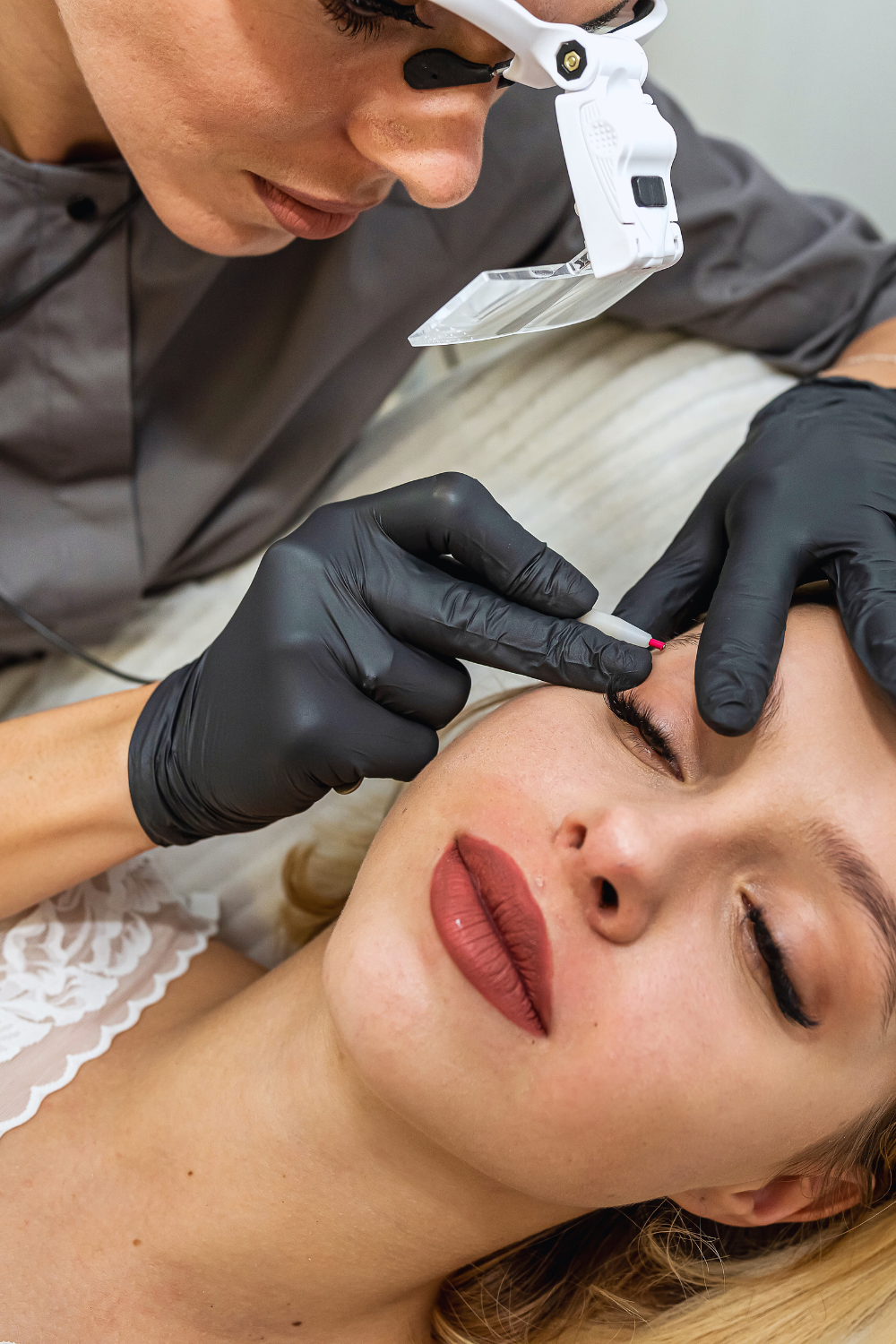
Before Your Appointment
Stopping tweezing, waxing, threading, or epilating immediately
Shave or trim if needed, but leave about 2–3 days of growth so we can see and treat the hairs
Hydrate well; hydrated skin conducts energy better
Avoid caffeine 2–3 hours before your session, it can increase sensitivity
Come with clean skin, makeup-free skin
Optional: Apply numbing cream 30–45 minutes before your appointment if desired.
After Your Appointment
Avoid touching or picking the area
No makeup directly on the area for 24 hours
Avoid excessive sweating, saunas, hot tubs, and baths
Keep the area clean and dry
Avoid sun exposure and tanning beds for 24 hours
No waxing, tweezing, or threading between appointments. Shave only.
-
Yes, it really is. Electrolysis is an FDA-approved method for permanent hair removal. This technique was invented in 1875 and is still the only permanent technique today.
-
Yes and no. Most describe the sensation as a quick stinging or pricking feeling. Pain tolerance varies from person to person, but the vast majority of clients have no trouble sitting through treatment. Some discomfort is normal; it’s very tolerable for most, and treatment settings can be adjusted slightly for comfort.
If you’re more sensitive, a few steps can help. Taking Tylenol about 30 minutes before your appointment, avoiding caffeine and sugary foods beforehand, and using a numbing cream on more sensitive areas. We’re happy to recommend an appropriate numbing cream if needed.
-
Treatments are not a one-time process because hair grows in cycles (anagen, catagen, telogen). Most people require multiple sessions over 18 to 24 months to achieve full, long-term results.
-
Our sessions are offered in 5-minute increments, starting at 15 minutes. Sessions usually last anywhere from 15 minutes to over an hour, depending on the size of the area being treated and the density of the hair follicles. We recommend scheduling a consultation so we can provide an accurate estimate once we assess the area to be worked on.
-
Temporary side effects such as slight redness, swelling, or small, temporary scabs are common. Applying ice after the appointment can help with swelling. When performed by a qualified professional, serious, permanent damage or scarring is very rare.