Paradoxical Hair Growth: What It Is and What You Should Know
If you’ve noticed more hair growth after laser hair removal, you’re not imagining it. Paradoxical hair growth is a real, though uncommon, side effect of laser treatment. Understanding why it happens and how to prevent it is important when choosing the right provider and treatment plan.

What Is Paradoxical Hair Growth?
Paradoxical hair growth, often called Paradoxical Hypertrichosis PH), occurs when laser hair removal stimulates increased hair growth in or around the treated area instead of reducing it. The new hair is often finer at first, but over time it becomes darker and thicker.
It most commonly occurs:
On the face (especially jawline, cheeks, and neck)
In individuals with hormonal imbalances
In people of color
Paradoxical hair growth is not extremely common, but it is well-documented in medical literature.
The Science Behind It
Laser hair removal works by targeting pigment (melanin) in the hair follicle with heat. When enough heat is delivered, the follicle is damaged, and hair growth is reduced.
Paradoxical hair growth can occur when:
The energy level is too low to effectively damage the follicle
The hair is too fine or light for proper targeting by the laser
Hormonal influences are especially strong
The treatment stimulates nearby dormant follicles because of a too low energy level
Instead of destroying the follicle, sub-therapeutic heat may stimulate it, similar to how low-level light therapy can stimulate hair growth on the scalp.
Long story short, not enough energy can sometimes activate follicles rather than disable them.
How We Prevent It

Prevention starts with proper assessment and technique. We reduce risk by:
Carefully evaluating hair type and density before recommending laser
Avoiding laser treatment on areas with very fine “peach fuzz” hair
Using appropriate energy settings for your skin type and hair thickness
Screening for hormonal patterns that may affect results
Being honest when laser is not the right treatment
In some cases, electrolysis is the better option, especially for fine facial hair. We’ve declined facial laser hair removal treatments for many clients when we thought there was a high risk of paradoxical hair growth.

What If You’ve Already Experienced It?
First, you’re not alone. Many clients come to us after experiencing increased hair growth from treatments done elsewhere, sometimes even from procedures performed over a decade ago.
Here’s what we do:
1. Proper Evaluation
We assess whether the growth is hormonal, laser-induced, or a combination of both.
2. Treatment Plan Adjustment
If laser hair removal contributed to stimulation, we may:
Adjust settings appropriately
Discontinue laser hair removal treatment in that area
May recommend electrolysis for further hair removal
3. Electrolysis for Permanent Correction
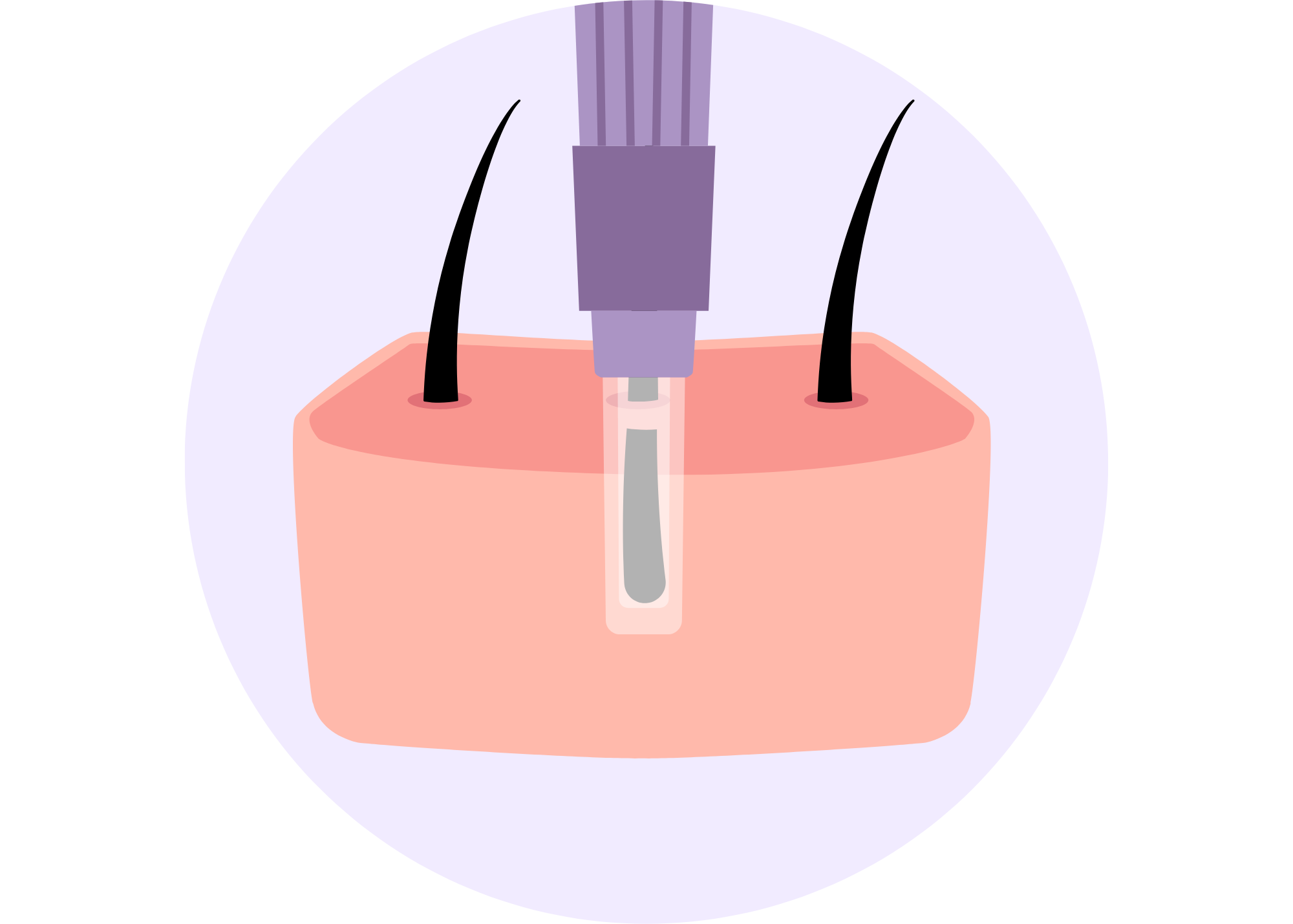
Electrolysis is the most reliable solution for paradoxical growth. Because it treats each follicle individually and does not rely on pigment, it permanently destroys the hair without stimulating nearby follicles.
Electrolysis is frequently the corrective treatment for clients who developed increased facial hair after laser.

The Most Important Thing: Education
Paradoxical hair growth is not a reason to avoid laser hair removal treatment; it’s a reason to carefully choose the right treatment and provider.
Laser can be extremely effective when used appropriately. But it is not ideal for every hair type or area. Honest consultations and customized plans are the key to safe, successful results.
If you’re unsure whether laser or electrolysis is right for you, or if you’re dealing with unexpected hair growth, schedule a consultation. We’ll create a plan that works with your skin, your hair, and your goals.