
Vein Removal
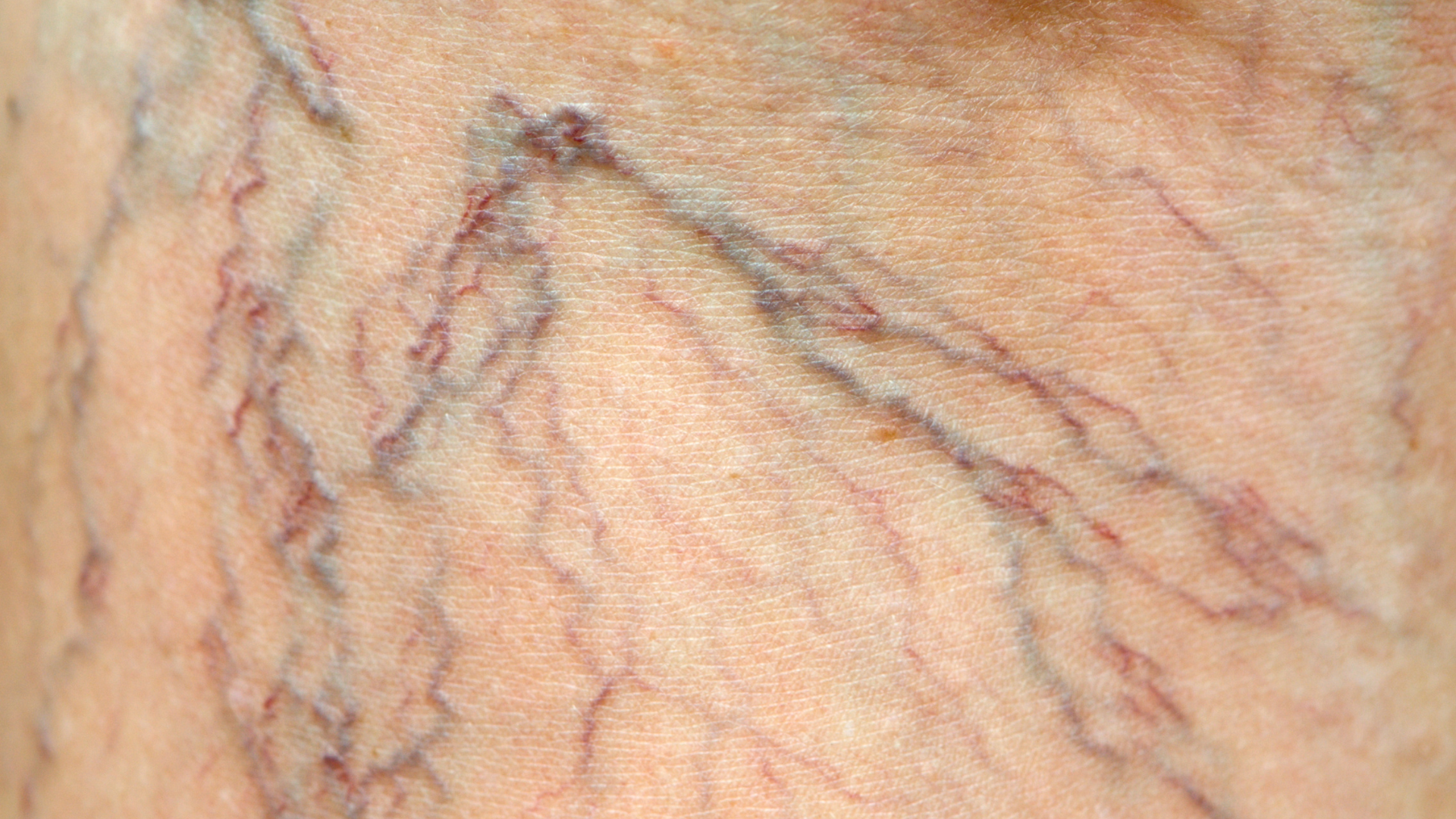
Vein removal, also known as vascular lesion treatment, uses targeted light energy to safely treat unwanted superficial blood vessels. The laser emits a wavelength that is selectively absorbed by oxyhemoglobin, the red pigment inside blood vessels. This is the principle of selective photothermolysis, where light is absorbed by a specific target (chromophore) with minimal impact on surrounding tissue.
When the hemoglobin absorbs the laser’s energy, it converts the light energy into heat. This heat gently damages the vessel wall, causing the vessel to collapse. Over time, the collapsed vessel is naturally broken down, reabsorbed, and flushed out of the body through the lymphatic system. Results appear gradually as the treated vessels fade.
A Little Science
How many treatments?
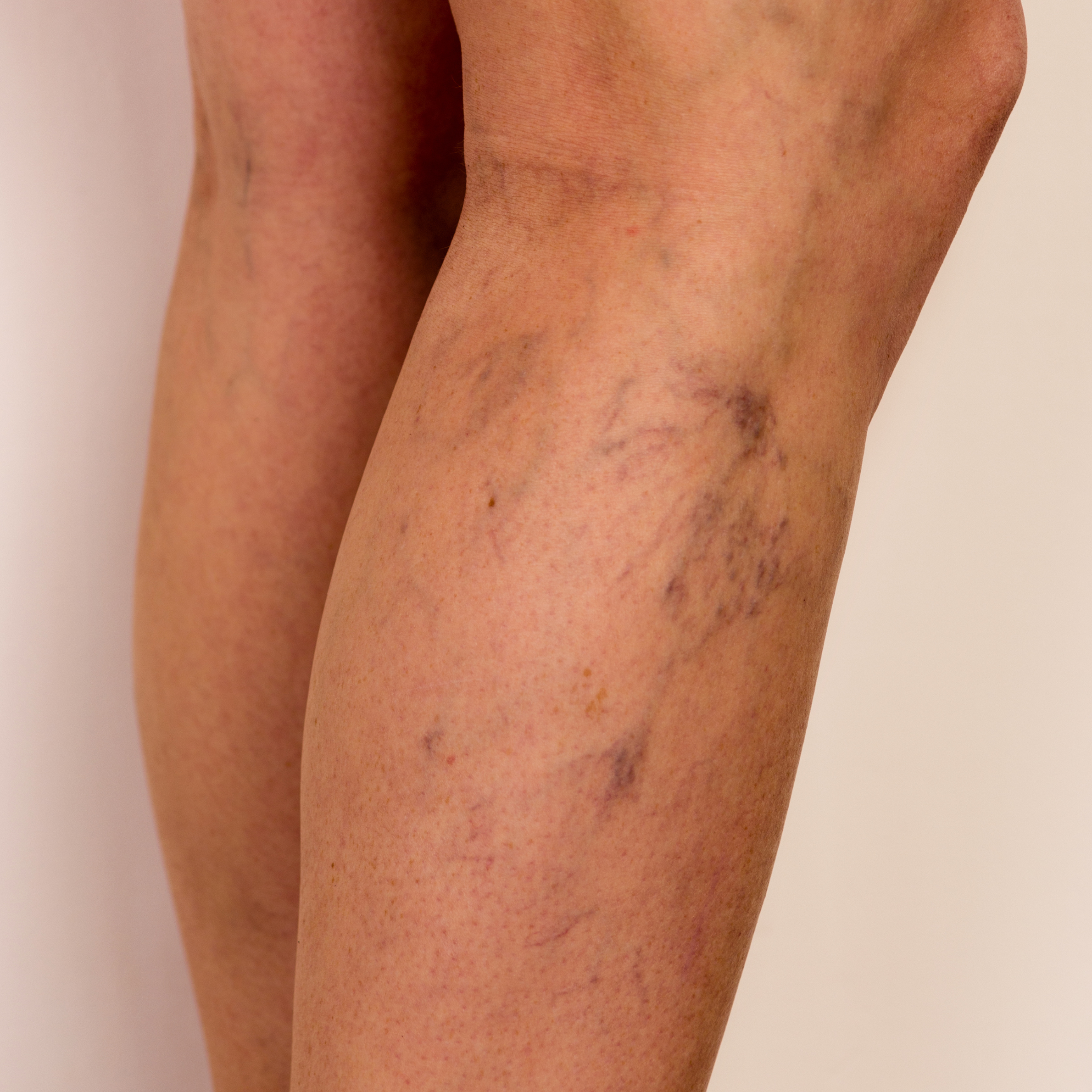
Most clients need 1–3 treatments. These are typically spaced 4–6 weeks apart, depending on:
Vessel size
Depth and color
How long the vessel has been present
Skin type
Some vessels respond immediately, while others fade gradually over several weeks. This service is not typically sold in packages. Because every client’s vascular concerns are unique, treatments are scheduled one session at a time based on how your veins respond. In some cases, such as deeper or larger vessels, we may recommend a package of three sessions after we’ve evaluated the area and determined that multiple treatments will be necessary.
Results vary, but typically:
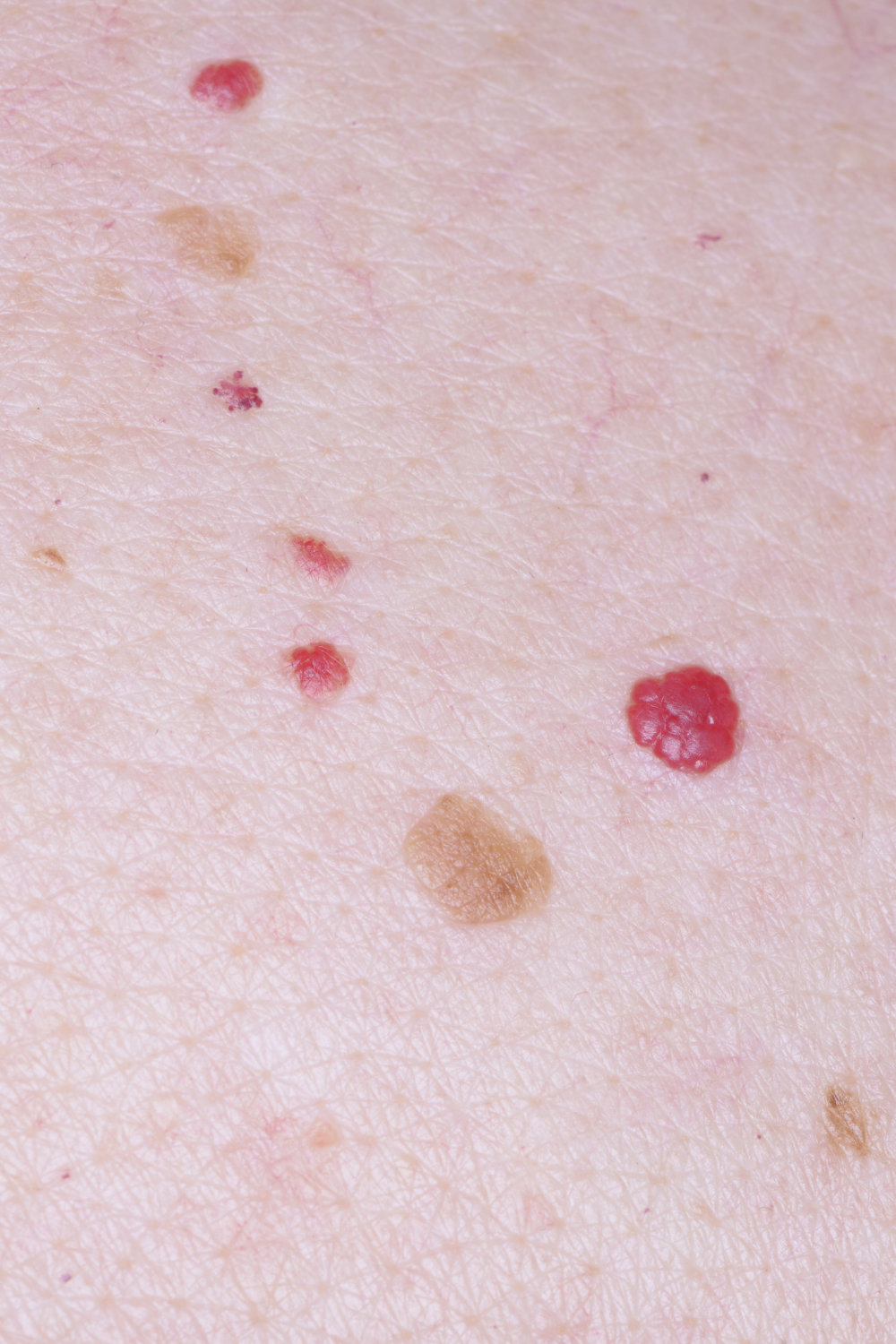
The treated vessel may darken, turn gray, or look more visible for a few days.
Redness and slight swelling around the vessel are common and temporary.
Many facial vessels fade significantly after one session.
Leg veins often require additional treatments due to deeper structures.
Final results can take 4–8 weeks as the body clears the damaged vessels. The vessels will fade over this timeframe.
Results
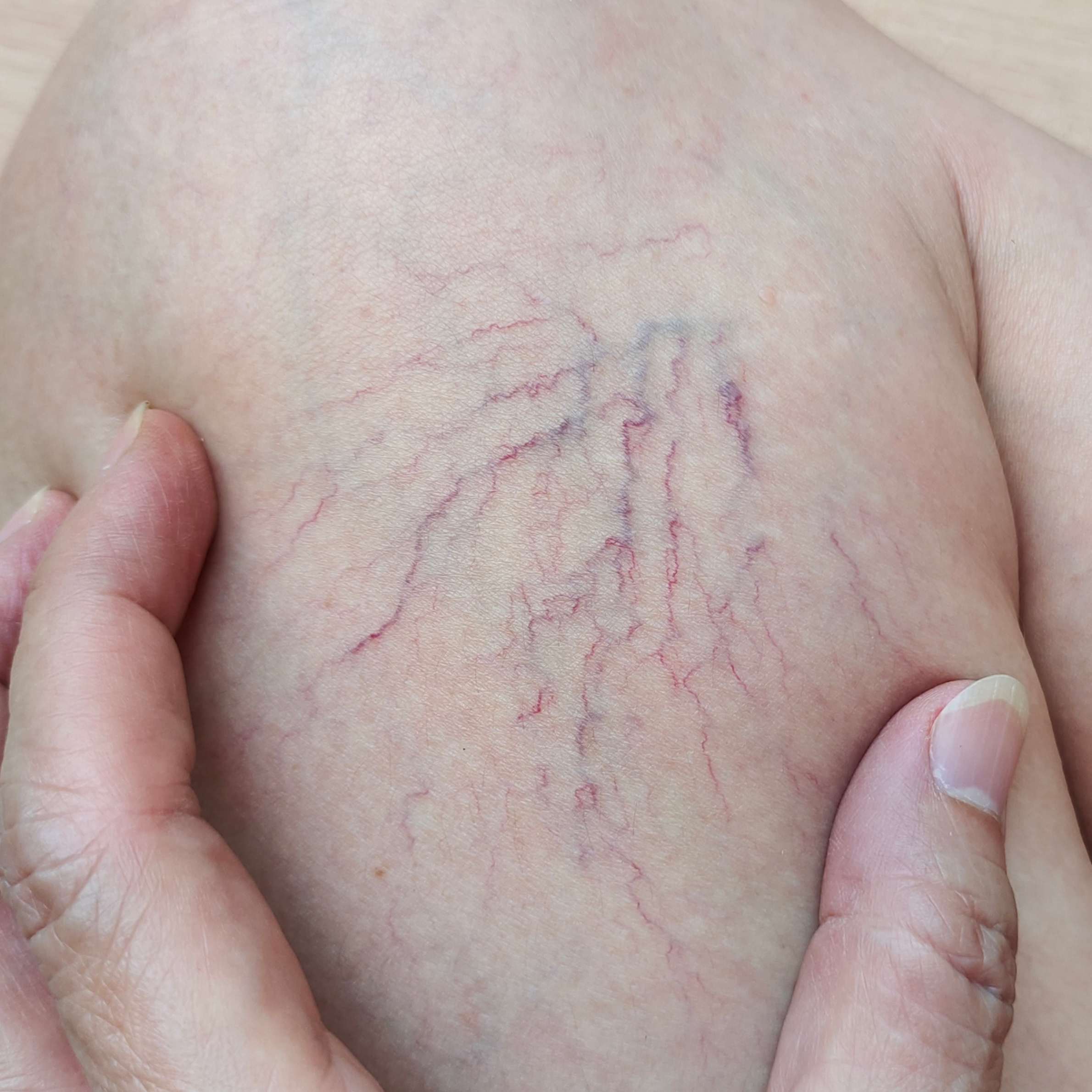
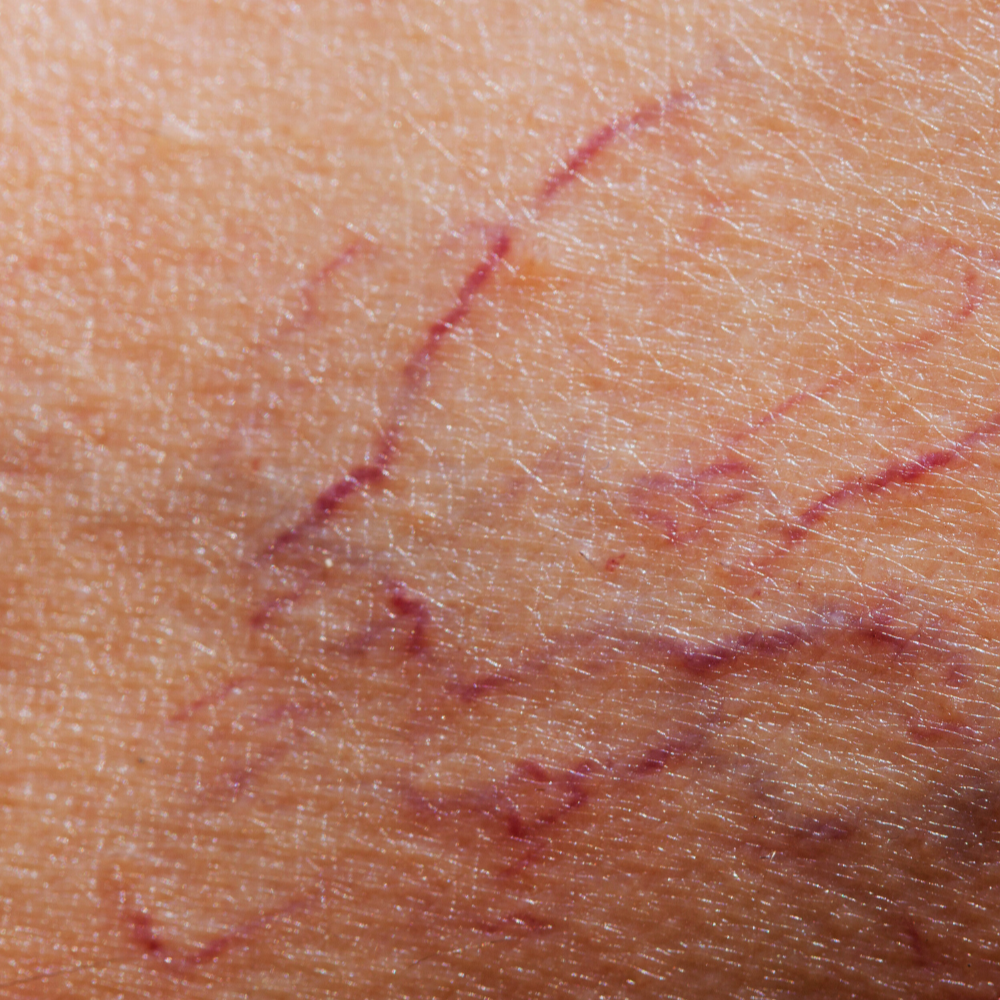
Laser vein removal is ideal for small to medium superficial vessels, including:
Facial spider veins
Broken capillaries
Cherry angiomas
Telangiectasia
Blue or red veins on the legs
Vascular lesions caused by sun damage or genetics
We treat most areas of the body, but facial and lower-body vessels are the most common. We can not treat varicose veins. You need visit a doctor to get those treated.
What Can We Treat?
Who Is Vein Removal For?
Small to medium superficial veins, including spider veins
Veins on the legs, face, or other visible areas
Clients who experience self-consciousness related to visible veins
Those looking for a non-surgical, non-injectable treatment option
Clients who want a gradual, natural-looking improvement over time
Who Is Vein Removal Not For?
You have large, bulging, or varicose veins (these require medical or surgical treatment)
You are on blood thinners
Your veins are deep rather than superficial
You’re seeking immediate or one-time results
You’re unable to commit to multiple sessions, which are often needed for the best results
You have certain medical conditions that make treatment inappropriate (a consultation is required)
Avoid sun exposure or tanning for 4 weeks before treatment
Stop self-tanners 2 weeks prior
Do not apply lotions, oils, or makeup to the area on the day of treatment
Do not wax or use retinoids on the treatment area for at least 1 week
Ensure skin is free of infection, irritation, or open wounds
Before Your Appointment
Expect redness, warmth, or mild swelling, similar to a sunburn
Avoid hot baths, saunas, or strenuous exercise for 24–48 hours
Keep the treated area out of the sun for at least 4 weeks
Use SPF 30+ daily
Do not pick or scratch at any scabs or darkened vessels
Apply a simple, soothing ointment (like Aquaphor) 2–3 times daily for the first 48 hours
Avoid retinoids, exfoliants, and acids for 5–7 days
Compression stockings may be recommended for leg veins
If legs were treated, avoid standing for prolonged periods of time
Walk at least 20 minutes once a day for the first 5 days after treatment
After Your Appointment
You can not receive this treatment if you are taking blood-thinning medication.
This service only works on Fitzpatrick skin types I-III. So, if you have a darker skin tone, we can not safely offer this treatment.
Laser vein removal is not a treatment for varicose veins (bulging, rope-like veins). Those require medical evaluation.
Hormones, genetics, and sun exposure can contribute to new vessel formation; maintenance treatments may be needed.
Some deeper or larger vessels may not respond if they sit outside the laser’s effective depth.
Things to Note:
-
Most patients say little to no pain. It is usually described as a stinging or snapping sensation during the session.
-
For spider veins, most patients require 1 to 3 sessions. While 1 treatment is typically common to get smaller veins under control. For larger spider veins, multiple sessions are needed, but after each treatment, the veins will fade and lighten.
-
Side effects are generally mild and include bruising, swelling, redness, tenderness, and a "hard" or tight feeling in the vein area that lasts for 1–2 weeks. Rare risks include infection, blood clots, or hyperpigmentation.
-
The laser collapses the specific vein treated, and it is permanently removed by our lymphatic system, but it does not prevent new veins from forming over time due to genetics or lifestyle.
-
There is little to no downtime. Clients are encouraged to walk immediately after the procedure and can typically return to work or normal activities within 1–2 days. Veins may swell or bruis but usually resolve itself with 1-2 weeks. Strenuous exercise should be avoided for 5 days (if leg veins are treated). Spicy food should be avoided for 2-3 days afterwards, and drink plenty of water.