
The Fitzpatrick Scale and Laser Safety: Understanding Your Skin’s Unique Blueprint
When you walk into our family-owned boutique in Rochester, we don’t just see a "client", we see a unique biological system. One of the most important tools we use to ensure your laser treatment is both effective and safe is the Fitzpatrick Skin Typing Scale.
If you’ve ever wondered why we ask so many questions about how you tan or react to the sun, it’s because we are looking into how your skin’s melanocytes behave.
What is the Fitzpatrick Skin Type Scale?
First developed in 1975 by Harvard dermatologist Thomas B. Fitzpatrick, this scale is the clinical standard for categorizing skin based on its genetic disposition and its protective response to ultraviolet (UV) radiation.
To us, the Fitzpatrick Scale is a diagnostic map of your skin’s melanocyte activity. By understanding how these specialized cells produce and distribute pigment, we can precisely calibrate our laser energy to work with your skin’s natural barrier, making sure we effectively target hair or blemishes without disrupting the delicate biological equilibrium of your complexion.
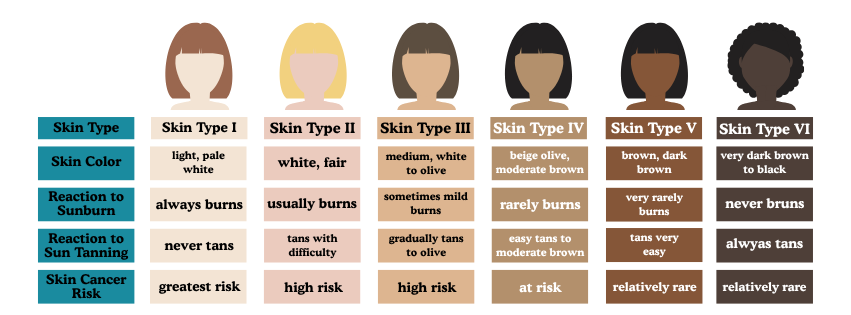
Fitzpatrick Skin Type Scale

The Science of Melanocytes: Why It Matters
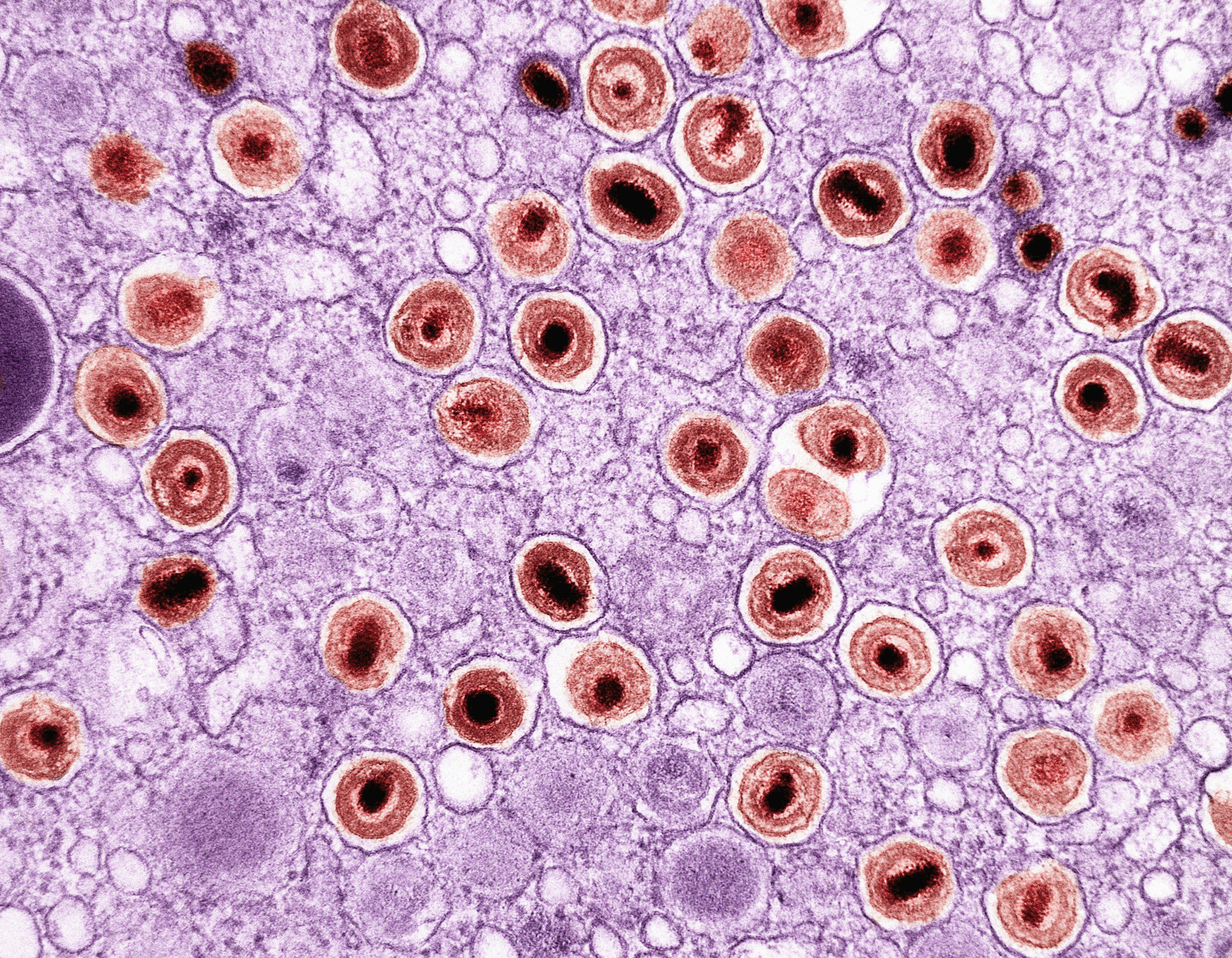
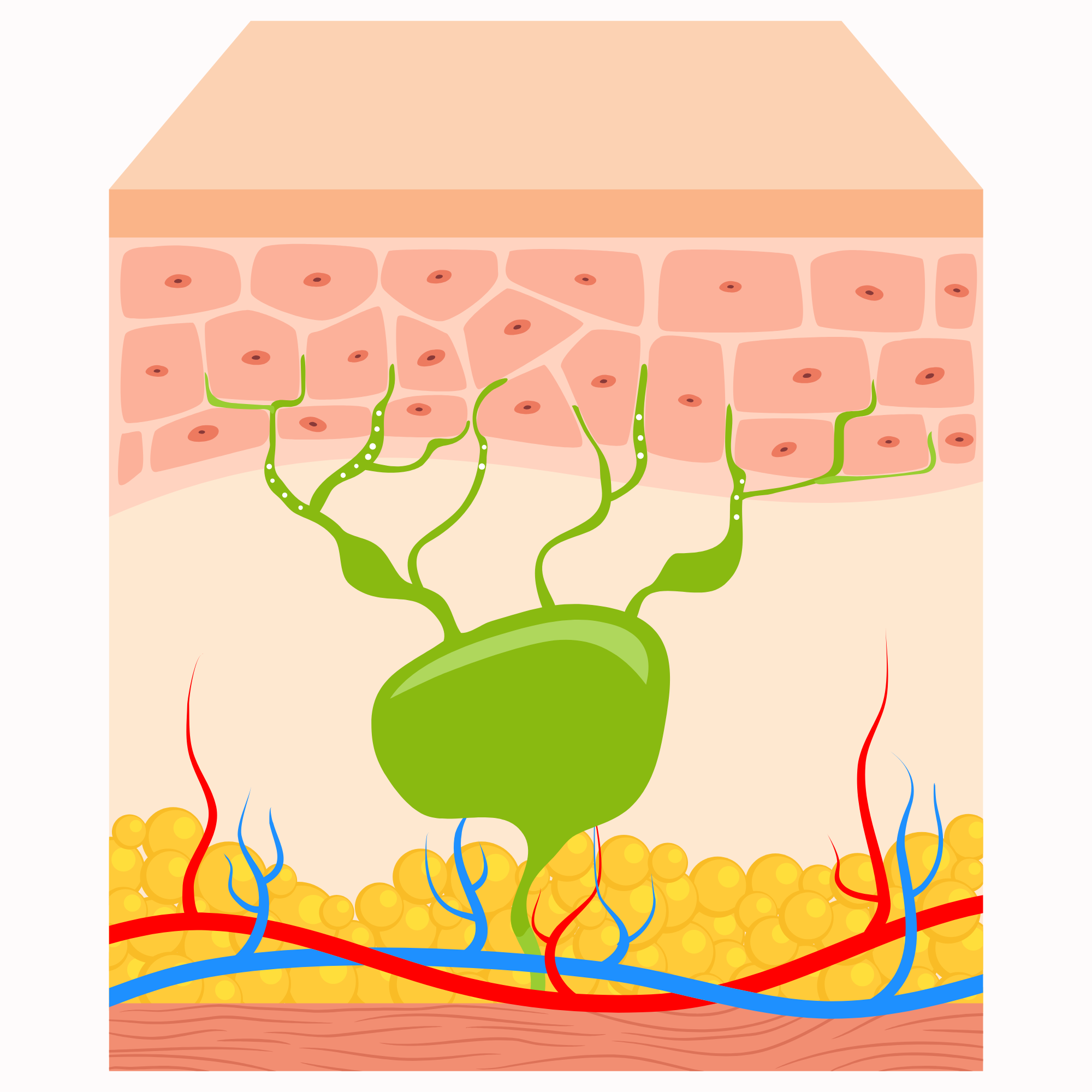
Melanocytes are the cells in your skin that produce melanin. The natural pigment that gives your skin, hair, and eyes their color. We respect these cells as your body’s natural defense mechanism against the sun.
However, lasers work by being absorbed by pigment. If we don’t accurately measure how active and "reactive" your melanocytes are, our skin could accidentally absorb our skin's natural pigment instead of our intended target (like a hair follicle or a sun spot). This would end up leaving you with hypopigmentation (spots that are lighter in color).
The goal is simple: We want to treat the intended target without accidentally "burning" or over-stimulating the melanocytes.

How We Use This Information at Our Med Spa
Because we use the Candela GentleMax Pro Plus, we have the versatility to treat the entire Fitzpatrick spectrum without compromising safety. This laser is not a single-function machine; it is a sophisticated dual-wavelength system that allows us to switch between two distinct light frequencies depending on your skin’s specific makeup.
The 755nm Alexandrite: This shorter wavelength has a high affinity for melanin, making it the most effective for those with lighter skin (Types 1–3). The laser light is absorbed by the pigment in the hair follicle with high intensity, making for rapid results for those whose skin tones don’t compete for the laser’s attention.
The 1064nm Nd: YAG: For our clients with deeper, melanin-rich skin tones (Types 4–6), we use the longer Nd: YAG wavelength. The YAG is designed to bypass the epidermis entirely. It travels deeper into the dermis to reach the root of the hair, leaving the surface melanin and your skin barrier undisturbed and protected.
By identifying your specific Fitzpatrick type during our initial consultation, we move away from preset settings and toward a customized protocol. We calibrate the energy, pulse duration, and cooling protection to the exact requirements of your skin. This ensures we are working with your body’s natural defenses, providing high-performance results without compromising the health of your skin.
What to Share with Us
Safety First, Results Always
This probably doesn’t need to be said, but every question we ask regarding your ethnicity, skin history, and tanning habits is driven by one thing: your safety. At the end of the day, while we are passionate about the results our laser provides, our primary goal is to protect your skin’s natural integrity. We simply won’t compromise your health for a quick result.
We’ve heard all the "horror stories" of burns, blistering, or permanent pigment changes caused by improper laser settings, and we have no intention of joining those ranks. As a small business, we treat every client with the same caution and care we would our own family.
So, if it ever feels like we’re prying into your background, your lifestyle, or how you heal, please know it comes from a sense of responsibility. We’re asking because we care about the long-term health of your skin.

To make sure we are working with your body’s current state, we ask that you keep us updated on any changes to your internal and external environment. These factors can temporarily shift how your melanocytes react to light, and knowing about them allows us to adjust your treatment for maximum safety.
Please let us know if you have:
Recent Sun Exposure: This includes natural sunlight, tanning beds, or even "sunless" self-tanning creams. These increase surface pigment and can ‘confuse’ the laser.
New Medications: Certain antibiotics, herbal supplements (like St. John’s Wort), or even some acne treatments can make your skin photosensitive, meaning it reacts much more intensely to light.
Hormonal Shifts: Pregnancy, nursing, or starting a new hormonal cycle can change your skin’s sensitivity and pigment activity.
Topical Actives: If you’ve recently used Retin-A, high-strength Vitamin C, or chemical exfoliants, your skin barrier may be temporarily thinned and need a gentler touch.
Lifestyle Changes: Even a new, intense workout routine or a change in your supplement cabinet can affect how your skin heals and responds to heat.
Your Ethnicity: Letting us know what your ethnic background is will help us determine the correct laser settings using the Fitzpatrick Skin Typing scale.