

PCOS & Unwanted Hair: Hair Removal Options That Actually Work
What Is PCOS (Polycystic Ovary Syndrome)?
Polycystic Ovary Syndrome (PCOS) is a common hormonal condition that affects many women during their reproductive years. One of the most noticeable symptoms is excess hair growth, medically known as hirsutism.
PCOS is a common hormonal imbalance where the ovaries produce high levels of androgens, which are often referred to as ‘male hormones’, disrupting ovulation. This leads to irregular or absent periods, acne, excess hair growth, and, frequently, small fluid-filled cysts on the ovaries, causing infertility and metabolic issues.
But hair growth is the area where we can help; this hair growth most commonly appears on areas such as:
For many women with PCOS, this hair growth can be persistent and frustrating to manage. Temporary methods like shaving, waxing, or creams may remove the hair briefly, but they don’t address the follicle itself, so the hair often returns quickly.
Chest
Abdomen
Back
Chin and jawline
Upper lip
Neck
The Science Behind PCOS and Hair Growth
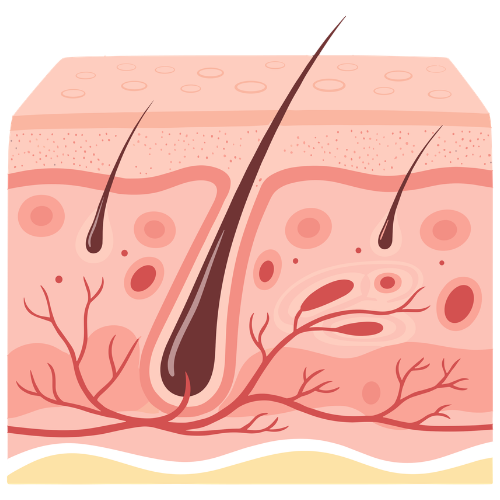
Hair follicles are extremely sensitive to hormones. Hormones are the entire reason hair begins growing. We see this during puberty, especially.
With PCOS, elevated androgen levels can cause vellus hairs (fine peach fuzz) to transform into terminal hairs (coarse, dark hair). Once a follicle has been hormonally stimulated to become a terminal hair, it almost always stays as a terminal hair.
This is why many women with PCOS notice:
Hair becomes coarser over time
More follicles are becoming activated, seeming like a never-ending battle
Hair returns quickly after removal
Hormonal treatments may help regulate the underlying condition, but they do not permanently remove existing hair follicles. That’s where professional hair removal treatments come in.

Hair Removal Options for PCOS
Women with PCOS often cycle through many temporary hair removal methods like shaving, waxing, threading, and depilatory creams before seeking longer-term solutions.
These methods remove hair above the skin, but they do not affect the follicle itself. Because PCOS stimulates follicles, hair typically returns quickly. Professional treatments like electrolysis and laser hair removal can provide much longer-lasting results.
Why electrolysis works well for PCOS
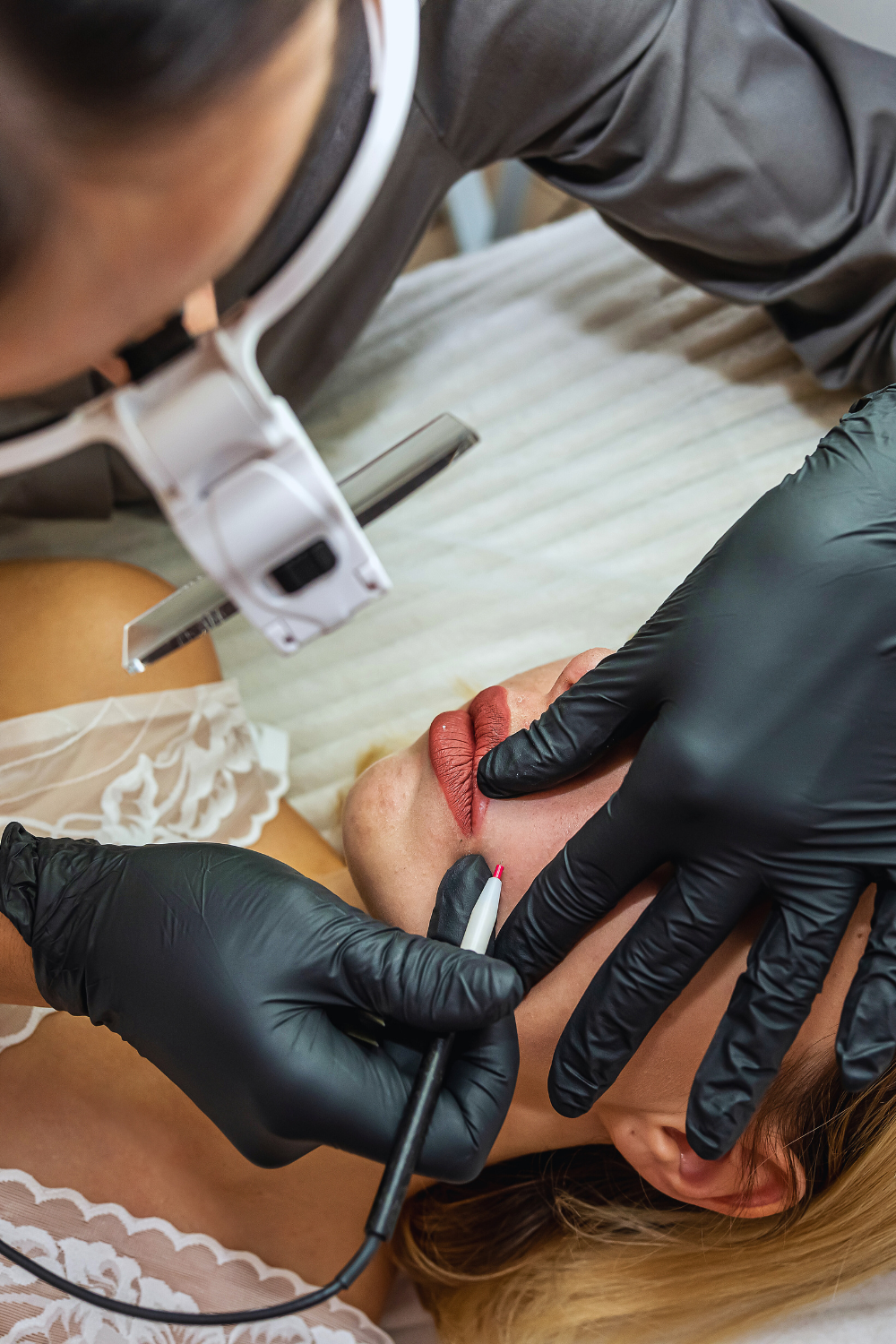
Electrolysis is the only FDA-approved method for permanent hair removal. Learn more about how it works on our Electrolysis Hair Removal page. During electrolysis treatment, a tiny probe is inserted into the hair follicle, and a controlled current is applied to destroy the follicle’s ability to grow hair. Electrolysis is especially effective for PCOS because it:
Permanently destroys individual follicles
Works on all hair colors and skin tones
It is ideal for hormone-driven facial hair
Does not cause paradoxical hair growth
Treats hair one follicle at a time
Because PCOS can continue to stimulate new follicles, some clients may need to continue with maintenance treatments. However, each follicle treated successfully will never grow hair again.
For many clients with PCOS, electrolysis becomes the permanent solution for facial hair management.
Laser Hair Removal for PCOS
Laser hair removal reduces hair growth by targeting the pigment inside the hair follicle with concentrated light energy converted to heat. For thicker or larger areas of hair growth, laser treatments can help reduce density before electrolysis. Learn more about Laser Hair Removal and whether it's right for you.
Laser works best on:
Dark hair
Larger areas of the body
Dense hair growth
Laser can be a great option for PCOS, but the best times to choose it are when you want to:
Reduce hair density significantly
Slow regrowth
Make hair finer and lighter
Reduce the amount of electrolysis needed later
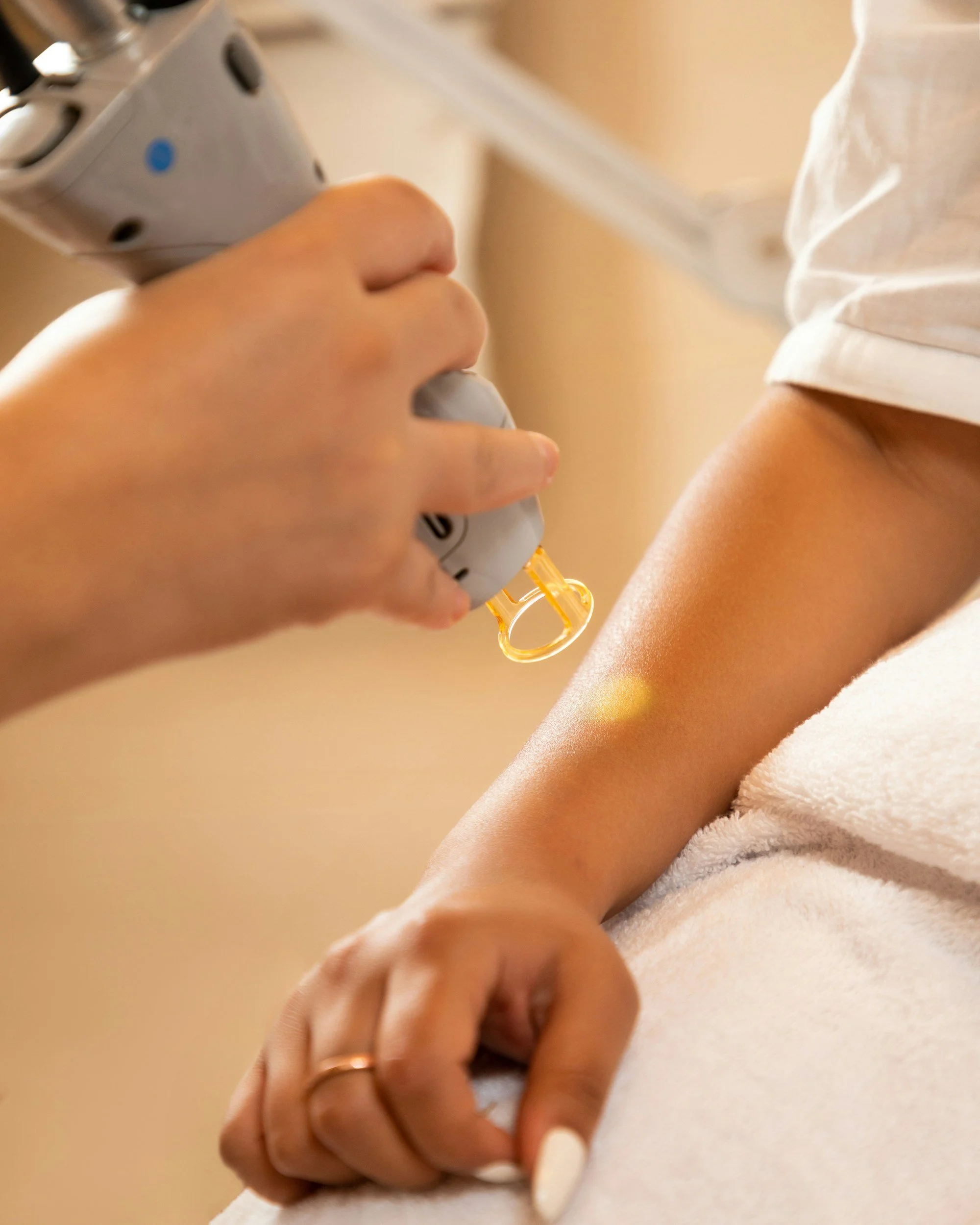
Something to note, laser hair removal is FDA approved as a hair reduction technique, not permanent removal. Plus, hormonal conditions like PCOS may cause you to be especially prone to stimulating new hair growth with paradoxical hair growth.
Laser also works only on pigmented hair, meaning it cannot treat blonde, gray, white, or red hair.
The Best Hair Removal Strategy for PCOS
For many clients with PCOS, the most effective strategy is a combination approach. Of course its’s hard to say for sure unless you come in for a consultation, so we can see you in person. A proper evaluation must be done before we create a treatment plan here in Rochester, MN. Your treatment plan with us will consider:
A consultation helps determine the best approach for your situation. So, come in for a free consultation.
Hair color
Hair density
Skin tone
Hormone activity
Previous hair removal methods
Option 1: Combination Plan
Laser treatment first, followed by electrolysis.
Laser hair removal can quickly reduce thick hair in larger areas. Electrolysis can then permanently remove the remaining hairs.
Option 2: Electrolysis Alone
No laser treatment, just electrolysis.
For facial hair and lighter hair colors, electrolysis is the best solution because it is permanent.
Option 3: Laser Alone
No electrolysis, just laser hair removal.
This is best for large areas like the legs, arms, and torso, where there is no chance of causing paradoxical hair growth.

What to Expect During Treatment
Hair grows in cycles, which means multiple sessions are necessary to treat hair follicles, whether it be electrolysis or laser treatments.
Most clients with PCOS will require:
A series of treatments initially
Gradually increasing time between sessions (for electrolysis treatment)
Occasional maintenance if new follicles become active with hormonal changes
The good news is that each follicle successfully treated with electrolysis is permanently disabled. With laser, it can significantly slow and reduce the growth of hair follicles in larger areas.
You’re Not Alone
Excessive hair growth from PCOS is extremely common, and many women feel frustrated or discouraged after trying temporary methods for years.
Professional hair removal with us can provide lasting relief and more control over unwanted hair.
If you’re dealing with PCOS-related hair growth, a personalized consultation can help determine whether electrolysis, laser hair removal, or a combination approach will work best for you.
-
Yes. PCOS can increase androgen levels, which can stimulate hair follicles and cause coarse hair growth on the chin, upper lip, neck, chest, and abdomen. This is known as male-patterned hair growth.
-
Yes. Electrolysis permanently destroys individual hair follicles and works on all hair colors and skin tones, making it one of the most effective options for PCOS facial hair.
-
Laser hair removal can significantly reduce hair growth, especially for darker hair. However, because PCOS is hormone-driven, treating the face is not always advisable. This is why we always recommend coming in for a free consultation with us first.
-
For many people with PCOS, the most effective approach is a combination approach of laser hair reduction followed by electrolysis to permanently remove remaining hair. If laser is not a good option, electrolysis is always effective.
-
Hormonal changes can continue to stimulate new follicles, so ongoing treatment may be necessary. However, electrolysis permanently destroys treated follicles, making long-term hair management possible.