
5 Reasons I Don't Recommend Dermablading
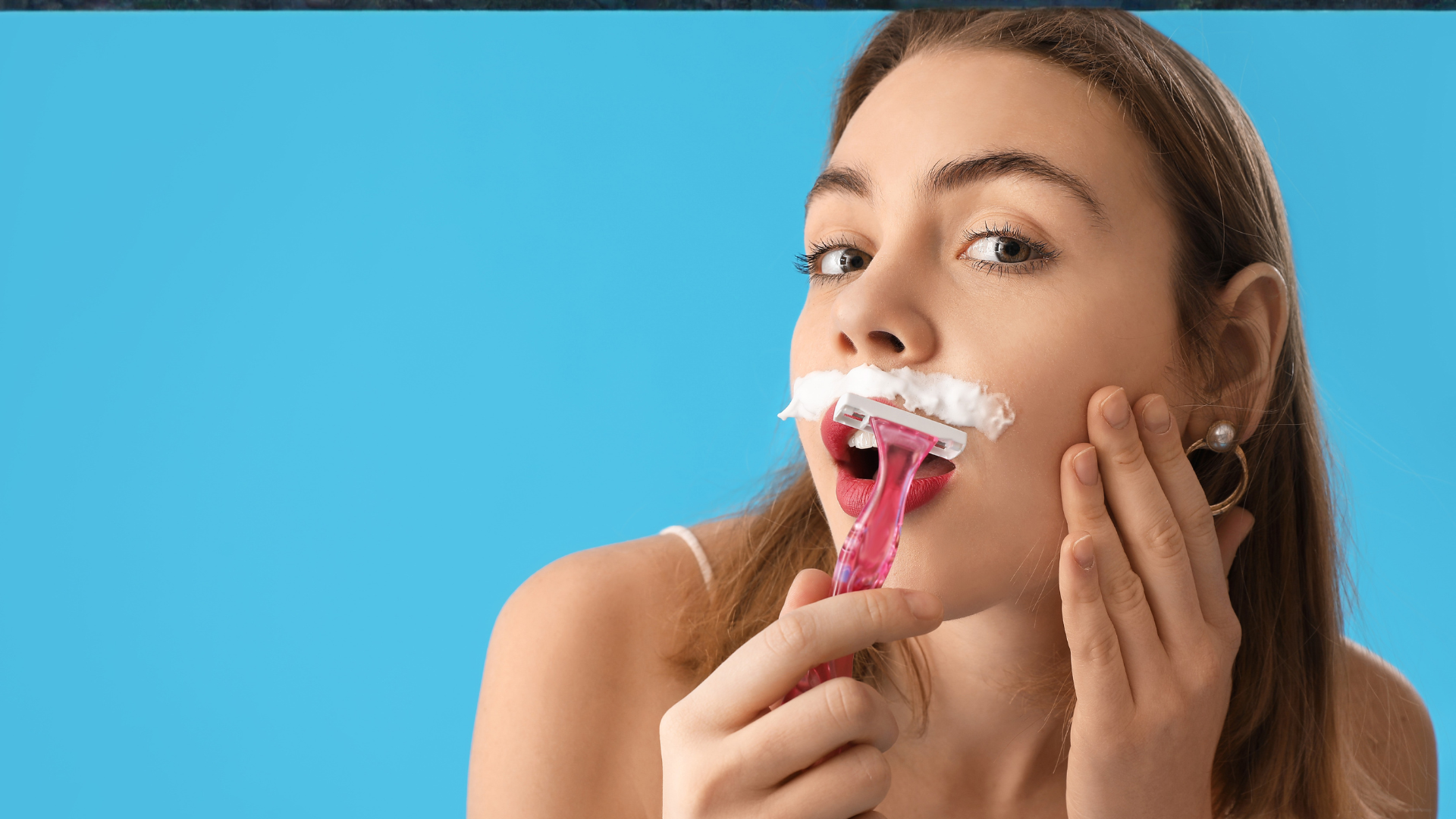
I’ve been having a lot of conversations lately about dermablading. And I totally get the appeal, that immediate "baby-smooth" feeling is addicting. But as someone who looks at skin through a clinical lens every day, I want to share my take on what’s actually happening to your skin barrier when you use that blade.
It’s not the end of the world if you love your dermablade, but there is a cost to your skin’s integrity that you should know about. If you’ve been considering it (or are currently doing it), here are 5 professional reasons I’m asking you to stop:

Your Skin is Stuck in Emergency Repair Mode
Think of your skin like a high-functioning shield. When you dermablade too often, you’re essentially scraping off that top layer of your shield. While the immediate smoothness feels great, it sends an SOS signal to your deeper layers, diverting a lot of your skin’s nutrients and energy away from long-term health, like building collagen, toward emergency repair to prevent moisture loss.
When your skin is stuck in this survival mode, it loses the ability to really flourish. Instead of producing that dewy glow that comes from a healthy pH and steady cell turnover, your skin becomes reactive, inflamed, and dull. You end up in a cycle where you’re constantly scraping away the barrier just to fix the rough, sensitized texture that the blade helped create in the first place.
At our medspa, we believe real radiance is a byproduct of a resilient, intact barrier. By prioritizing permanent solutions like electrolysis over the temporary trauma of a blade, you allow your skin to stop fighting for survival and finally start thriving.

You’re Harming Your Natural Skin Barrier
Your skin barrier, or acid mantle, acts as a biological bodyguard. It’s a delicate balance of lipids and beneficial bacteria designed to lock in hydration while keeping out environmental pollutants and irritants. When you dermablade, you aren’t just removing hair; you’re physically stripping away this protective seal. This leaves your deeper, "living" layers of skin exposed to the world before they are ready, making you much more susceptible to redness, windburn, and the stinging sensation we mistake as our skincare products working.
Without that intact barrier, our skin also loses its ability to hold onto moisture, a process called transepidermal water loss. This is why many people who dermablade find themselves stuck in a cycle of chronic dryness or sudden sensitivity to products they used to love. A healthy, untouched barrier reflects light evenly and maintains its own plumpness, which is the real source of a natural glow.

The Risk of Bacteria & Breakouts
My distaste for at-home dermablading isn't just about the act of shaving itself, but the environment it creates on your face. When you scrape away the top layer of skin, you are creating a bunch of microscopic openings into your deeper tissue. Unless a blade has been professionally sterilized in a clinical setting, not just rinsed with hot water or wiped with alcohol, it can carry a buildup of bacteria. Reintroducing that bacteria directly onto freshly exposed, vulnerable skin is a recipe for disaster.
This is why we so often see a sudden purging or a wave of stubborn acne breakouts following at-home treatments. Without the controlled, sterile environment of a professional clinic, you are frequently just pushing oils and bacteria back into the very pores you’re trying to smooth out. In a clinical setting, we prioritize the sanitation necessary to protect your skin. At home, most people are unintentionally trading a bit of peach fuzz for a cycle of inflammation and infection.

The Whiskers Illusion
A big myth, is that it makes your hair grow back thicker or darker. So far, biology says that’s not possible, the blade simply cuts the hair off without stimulating it. However, what it does do is create a blunt edge on every single hair. When hair grows naturally, it tapers off to a fine, soft point. When you shave it, you’re cutting it at its thickest part, so as that flat, square-edged hair pushes back through the skin, making it feel much more prickly and coarse to the touch.
This whiskers illusion often plays tricks on our minds. Because the regrowth feels so much more substantial than the original soft peach fuzz, many people panic and think the treatment has actually made the hair worse. This usually leads to a cycle of more frequent and aggressive shaving just to get rid of that prickly feeling. Over time, you aren't just managing your hair; you’re stuck in a habit of constantly traumatizing your skin barrier to fix a problem that dermablading created in the first place.
At our medspa, we want to help you break that cycle. By moving away from the problems dermablading causes and toward permanent solutions like electrolysis.

Loss of Your Natural, Healthy Glow
Those tiny, translucent peach fuzz hairs, called vellus hair, are often treated as a nuisance, but they actually play a vital role in your skin’s ecosystem. Think of these hairs as a distribution system for the oil in your skin (sebum). As your pores produce oil, these fine hairs act as a tiny wick, pulling the oil away from the pore and spreading it evenly across the surface. This creates helps create that glow we’re all reaching for because the oil is being whisked away from our pores rather than pooling in one spot.
Without those tiny wicks to distribute the moisture, your natural oils have nowhere to go, they simply sit flat and heavy on the surface of your skin. This is when that greasy shine shows up rather than a healthy radiance. Instead of light reflecting off a balanced, textured surface, it bounces off a flat layer of oil, making the skin look slick or sweaty.
By keeping your peach fuzz on your face, you allow your skin to maintain its natural moisture balance and a soft-focus finish. If the hair is dark or bothersome, we can address those specific hairs with electrolysis without stripping the entire face of its natural wicking system. Keeping these tiny hairs is one of the easiest ways to keep your skin looks naturally radiant and functions exactly the way it’s supposed to.

The good news? You don't have to keep scraping your skin to get rid of excessive hair. If the hair on your face is bothersome, we can look at more skin-friendly solutions like electrolysis or, in specific cases, laser hair removal.
These methods work with your biology to solve the root of the problem, rather than just treating a symptom at the expense of your skin barrier.
Ready to ditch the blade?
Book a consultation at our Rochester clinic and let’s create a plan that prioritizes your skin’s long-term health and goals.